
Multichannel selling is when you sell your products on many platforms, such as Etsy, Shopify, Amazon, or even in physical stores, festive fairs, and Sunday markets. Different shoppers prefer different marketplaces, so being present on multiple sales channels means more opportunities to sell
Let’s explore what is multi channel selling, the benefits of it, and how to start multi channel selling online and offline.
What Is Multi Channel Selling?
Multi channel selling is the practice of selling your products across multiple sales channels at the same time. This can include multi channel online selling marketplaces like Amazon and Etsy, your own Shopify or WooCommerce website, social media shops, physical retail stores, pop-up events, and wholesale partnerships.
Instead of relying on a single marketplace, businesses use multiple sales channels to reach customers wherever they prefer to shop. This approach increases visibility, reduces dependency on one platform, and creates more consistent revenue streams.
Why Multi Channel Selling Is Critical for E-Commerce Growth
From what I have seen, the biggest thing holding online sellers back is relying too much on one platform. The sales channelsa algorithms change, fees go up, and sometimes accounts get restricted without much warning.
Multi channel selling helps businesses:
- Reach customers at every stage, when they are discovering products, comparing options, and ready to buy
- Reduce risk of loss and failure by not depending on a single platform for all revenue.
- Grow steadily without having to spend too much money on ads and promotions.
Multichannel vs Omnichannel Selling – Key Differences
Multi channel selling means you sell on several platforms. Omnichannel selling, on the other hand, connects all your sales channels together and gives customers a seamless shopping experience.
For example, a customer might check a product on Instagram, add it to their cart on your website, and pick it up from your store, all without any confusion about stock, price, or offers. This is called omnichannel selling.
Here’s a quick comparison between multichannel selling vs omnichannel selling.
Aspect | Multichannel Selling | Omnichannel Selling |
Definition | Selling products on multiple platforms, like your website, marketplaces, and social media platforms. Each channel works separately. | Integrating all sales channels so the customer gets a consistent experience no matter where they shop. |
Customer Experience | Customers may have different experiences on each channel. | Customers get a unified customer experience with the same prices, offers, and support across all channels. |
Data & Inventory | Data and stock are usually managed separately for each channel. | A centralized platform that tracks all customer data, orders, and inventory in one place. |
Marketing & Branding | Each channel has its own marketing strategy and may look or feel different. | All marketing and branding are aligned, creating a single brand image everywhere. |
Technology Requirement | Easier to set up, but managing multiple offline and online sales channels can be time-consuming. | Needs integration tools or software, but offers smoother management once set up. |
Top Sales Channels You Should Be Selling On
Not every retailer needs to sell everywhere. The right multichannel strategy is to select the right combination of online and offline selling channels that align with your products, target audience, and business capacity.
Here are some of the online and offline multi channel selling platforms that you can consider expanding to.
Online Sales Channels
These are some of the top multi channel online selling today, where you can start retail stores.
1. Your Own E-commerce Website
An eCommerce website is your brand’s online store. It’s a digital space where customers can browse products, add items to their cart, and make purchases directly from you. It works like your own retail stores, but operates 24/7 and reaches buyers beyond your local area.
With your own site, you can showcase your brand story, highlight product benefits, and build a loyal audience through search engine optimization (SEO) and email marketing.

2. Marketplaces (Amazon, eBay, Etsy)
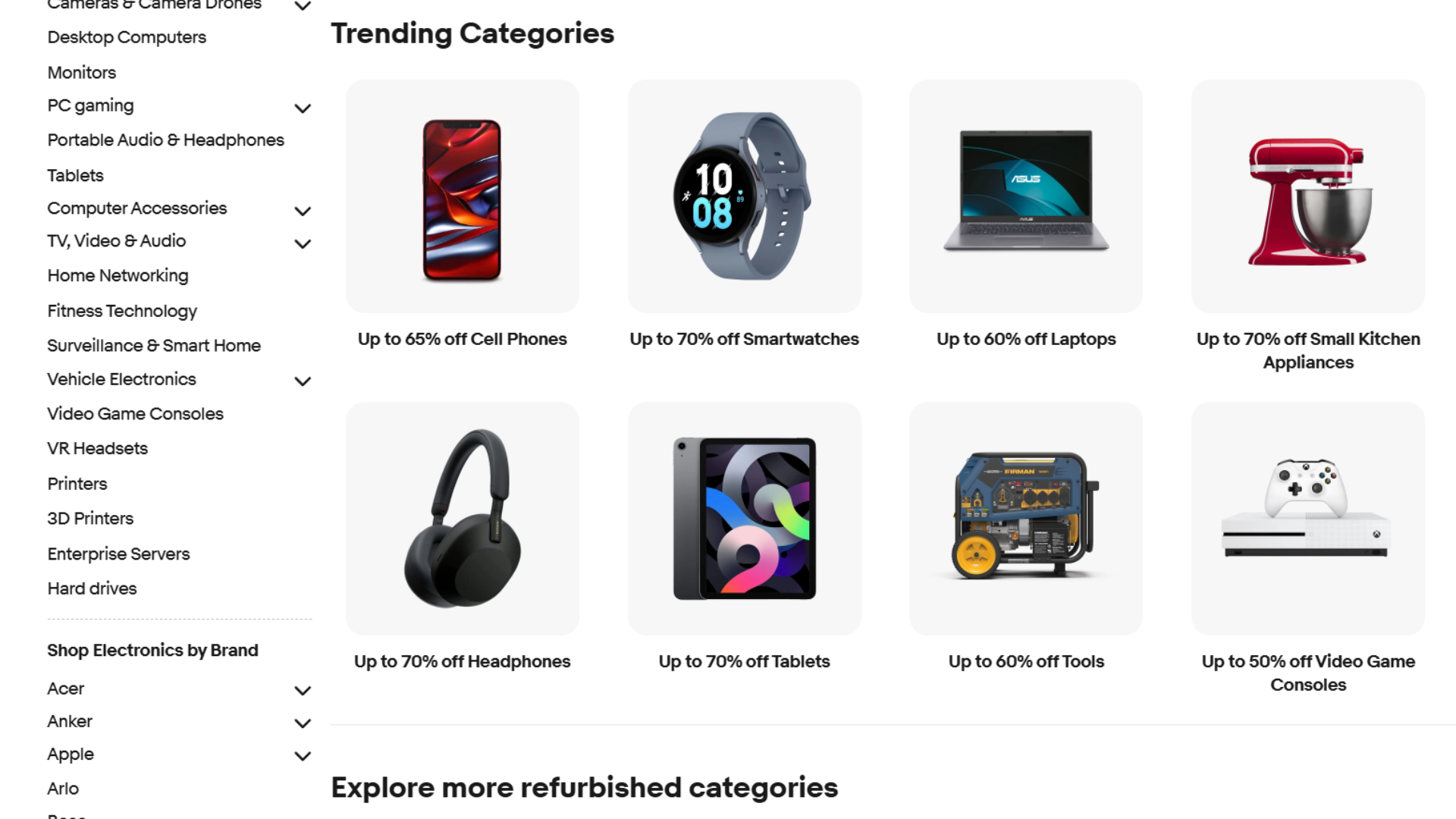
Online marketplaces are where millions of customers are already shopping, such as Amazon, eBay, Flipkart, Etsy, etc. These platforms have a huge customer base, so when you list your product listings there, you instantly get more visibility and reach customers.
For new or small retailers, marketplaces are one of the easiest ways to start selling online. You don’t need to build your own website or spend a lot of money on ads. Most marketplaces help you with things like order fulfillment processes, payments, and returns. You can connect eBay to Etsy, or Square to WooCommerce, Amazon to TikTok shop, etc, and manage backend operations with an automation tool.
3. Social Commerce (Instagram, Facebook, TikTok)
Social media platforms have become a direct sales channel. Features like Instagram Shopping or Facebook Shops, or TikTok shop let customers browse and buy products. Customers love seeing real-life photos, short videos, and how the product looks. This helps in instant conversion.
The social commerce sales channel is especially effective for lifestyle, fashion, and home decor products.

4. Mobile Apps
Some retailers also launch branded mobile apps for loyal customers or partner with delivery apps like DoorDash, Uber Eats, Postmates, or Deliveroo for quick local sales. Partnering with delivery platforms can also help reach nearby customers faster, giving your business an edge in local deliveries.
It’s especially useful for retailers with frequent buyers, like groceries or fashion brands.
Offline Sales Channels
These are some of the popular offline multi channel selling platform that you can open to increase local sales.
1. Brick-and-Mortar Store
Your brick-and-mortar store remains an important offline sales channel for customers who prefer to see or try products before buying. It also acts as a local marketing tool, attracting walk-ins and repeat customers.
If you are selling online and offline, you can set your physical store as an order fulfillment center and ship all orders directly. With good, friendly staff, you can gain customer loyalty.
2. Pop-Up Stores or Exhibitions
Selling your products via short-term stores, weekend markets, or via festival exhibitions, craft fairs helps reach new local audiences. Such pop stores are great for launching new collections and collecting direct customer data feedback.
Retailers can also use pop-ups to increase brand visibility in new cities without committing to long-term rentals. These setups are cost-effective and give you valuable insights into buyer preferences before investing in a permanent location.

3. Partnerships & Wholesale
Partnerships and wholesale selling mean working with other retail stores or distributors to sell your products. Instead of selling only through your own shop or website, you allow other stores, like local boutiques, supermarkets, or multi-brand retail stores, to stock and sell your products too.
This helps your brand reach customers more without spending extra on marketing channels or setting up new stores. It’s also a great way to reach regions or markets where you don’t have a physical presence.
Benefits of Implementing a Multi Channel Selling Strategy
Explore the top 8 benefits of a multichannel selling strategy for modern businesses here:
1. Reach More Customers
Selling on multiple platforms significantly broadens your customer base. Today, shoppers have distinct preferences; some are loyal to Amazon for its swift delivery, while others seek unique items on an online marketplace like Etsy. By diversifying your sales channels today, you tap into various customer segments.
2. Increase Sales & Revenue
Multichannel selling enhances your store’s visibility across platforms, which in turn brings more online sales. When your products are available on different sites like Amazon, Etsy, or your own website, more shoppers can find you easily and buy from you. Each new channel gives you an extra chance to sell and earn more, which helps your business grow faster.
3. Reduce Risk & Platform Dependency
E-commerce platforms frequently update their policies and algorithms. Relying on a single platform exposes your business to potential disruptions. By selling on multiple platforms, you decrease these risks and stabilize income streams.
4. Gather Valuable Market Insights
Selling on multiple platforms gives you access to diverse customer data, from demographics and buying habits to product preferences. Analyzing this data helps you understand which products perform best on each channel, identify emerging trends, and make smarter marketing or inventory decisions.
Over time, this data-driven approach helps improve your multichannel selling strategy and boost overall sales performance.
5. Gain Competitive Advantage
Expanding to multiple channels sets you apart from competitors confined to a single platform. It allows you to explore new markets and specific customer segments. When you sell across different multichannel selling platforms, you’re not relying on just one source of traffic or sales. While others may be limited to one marketplace, you can reach customers.
6. Increase Brand Visibility Across Multiple Sales Channels
When your products appear on marketplaces, social media channels, and your website, your brand becomes more visible and recognizable. Even if customers don’t buy right away, they notice your brand across platforms, improving trust over time. Consistent brand exposure often leads to higher conversions later.
7. Leverage Multichannel Selling Platform-Specific Benefits
Each online store and marketplace offers unique key features:
- Etsy: Etsy’s built-in SEO helps your products appear in front of shoppers searching for handmade goods.
- Amazon: Features like Prime shipping, product reviews, and easy returns make it easier to sell at scale and ease your business operations.
- Shopify: Ideal for building your own branded store. You have full control over your website design, pricing, and marketing.
Utilizing these specific advantages can optimize your marketing efforts.
8. Expand into New Markets Easily
Multichannel selling opens doors to new regions and buyer segments without heavy investment. You can test international markets through platforms like Amazon Global or Etsy before setting up local operations. This flexible approach helps retailers grow step-by-step and discover where their products perform best, locally or globally.
Common Challenges of Multi Channel Selling
While selling on multiple platforms has numerous advantages, it also comes with challenges that businesses must deal with:
1. Scattered Data
When you sell on different platforms, your data like orders, customer info, and product details, can get spread out. This makes it hard to track what’s selling well or where issues are happening.
Solution: Use one multichannel selling tool to bring all your sales data together in one place so you can see everything clearly.
2. Order and Shipping Delays
Managing orders on multichannel selling platform can get confusing. Sometimes an order might get missed or delayed.
Solution: Automate your order process so each order goes to the right place for packing and shipping as soon as it’s received.
3. High Operational Costs
Expanding across multiple channels often means higher costs such as subscription fees, ad spend, packaging, logistics, and manpower.
Solution: Evaluate ROI for each multichannel selling platform quarterly. Focus your efforts on platforms that generate consistent profits and engagement.
Step-by-Step Guide to Building Your Multi Channel Selling Strategy
Building a multi channel selling strategy doesn’t mean jumping onto every platform at once. The goal is to grow in a controlled way, without breaking your operations.
Step 1: Start with where your customers already are
Look at where your buyers usually discover and purchase products. If most of your orders come from a marketplace like Amazon or Etsy, start there and add only one more supporting channel, such as your own website or social commerce.
Step 2: Choose channels that fit your product
Not every product works on every platform. Visual products perform better on Instagram or TikTok, while utility products often sell well on marketplaces. Pick channels that naturally suit what you sell instead of forcing expansion.
Step 3: Set clear rules for pricing and inventory
Before adding new channels, decide how pricing, stock allocation, and discounts will work across platforms. Inconsistent prices or incorrect stock levels create customer confusion and cancellations.
Step 4: Fix inventory and order management early
This is where many sellers struggle. Managing inventory and orders manually might work at low volume, but it quickly becomes unmanageable. Use a multi channel selling software to keep inventory, products, and orders in sync from the beginning.
Step 5: Test, measure, and adjust
Once a new channel is live, don’t rush to scale it. Track sales, returns, operational issues, and support requests. Keep what works, fix what doesn’t, and drop channels that create more problems than value.
Step 6: Scale only after systems are stable
Add more channels only when your existing setup runs smoothly. When inventory updates, order processing, and customer communication are under control, scaling becomes much easier and less risky.
How to Manage Inventory and Orders Across Channels with QuickSync
Managing multiple platforms manually can be daunting. Especially when you have to update inventory after each sale and update order details after each purchase. However, with an excellent multi channel selling software such as QuickSync, you can easily manage multiple sales channels.
- Sync inventory in real time: Every time a product sells on one channel, stock updates automatically across all connected platforms. This prevents overselling and last-minute cancellations.
- Keep product listings consistent: Update product details like price, SKU, images, or descriptions once, and QuickSync reflects the changes everywhere. No repeated manual edits.
- Centralize order management: Orders from Amazon, Etsy, Shopify, TikTok Shop, and other channels appear in one tab, so nothing gets missed or delayed.
- Reduce manual work and errors: By automating inventory and order updates, QuickSync eliminates spreadsheet tracking and copy-paste mistakes that slow teams down.
- Connect online and offline sales: With QuickSync, you can also integrate your physical POS with online accounting software, such as Clover with QuickBooks, for smooth financial management.
- Scale without operational chaos: As order volume grows, QuickSync keeps operations stable by handling sync automatically, even during high-traffic periods. QuickSync supports various sales channels integrations, such as Amazon and Etsy, Shopify, and Clover integration, TikTok, and Shopify, etc.
Best Tools & Platforms for Multi Channel Selling
Managing multiple sales channels manually works only at the beginning. As soon as order volume increases, the operations become tougher to manage. Retailers face stock mismatches, delayed updates, and missed orders. That’s where the right tools matter.
A multi-channel selling software helps you manage everything from one place instead of logging into five different dashboards all day.
QuickSync is built specifically for this. It connects your stores and marketplaces and keeps inventory, product listings, and orders in sync in real time. When something sells on one channel, stock updates everywhere automatically.
When you update a product or price once, it reflects across all connected platforms. Along with QuickSync, most sellers also rely on:
- Shopify to run its main branded store.
- Marketplaces like Amazon and Etsy to capture high-intent buyers.
- Social platforms like Instagram or TikTok Shop for product discovery
The goal isn’t to use every tool out there. The goal is to use fewer tools that actually talk to each other and reduce manual work.
Pro Tips to Scale Your Multi Channel Sales in 2026
To ensure success with multichannel selling, follow these best practices:
1. Use a Centralized Inventory Management System
Managing inventory across multiple platforms, including online stores, manually can lead to stock discrepancies, overselling, and frustrated customers.
By integrating an inventory management tool, you can sync stock levels in real time, ensuring accurate availability across all sales channels. This reduces the risk of cancellations due to out-of-stock items and helps maintain a smooth order fulfillment process.
2. Customize Listings for Each Platform
Copying and pasting the same product descriptions across different marketplaces may seem efficient, but it can hurt your visibility. Each platform has its own search algorithm, keyword preferences, and customer expectations.
Optimizing product titles, descriptions, and high-quality product images for each marketplace increases your chances of ranking higher in search engines and converting more potential customers.
You can use a reliable product syncing tool that will update the product details in all the connected stores whenever you make any changes.
3. Offer Consistent Customer Service
Shoppers expect a seamless customer experience, regardless of where they buy your products. Whether a customer orders from Amazon, Etsy, or Shopify, they should receive a good level of customer service for their queries, returns, and refunds.
For that, set up automated responses for frequently asked questions, maintain quick response times, and address inquiries or concerns professionally.
4. Keep Up with Platform Fees & Policies
Each sales channel has unique pricing structures, listing rules, and commission fees. Understanding these costs ensures that your pricing strategy covers expenses while remaining competitive.
Regularly review platform updates to avoid unexpected costs, policy violations, or disruptions in your business operations.
Future of Multi Channel Selling
Customers don’t shop on one platform anymore. They might discover your product on Instagram, check reviews on Amazon, compare prices on your website, and then buy wherever it feels easiest. They don’t think in “channels”; they just expect things to work smoothly.
The future of multi-channel selling is focused on:
- Real-time inventory accuracy
- Faster order processing
- Fewer manual tasks
- Centralized data and control
Sellers who continue managing everything manually will struggle. Sellers who invest in the right tools and systems will scale faster with fewer mistakes.
Conclusion
Today’s shoppers don’t stick to one platform; they browse on Instagram, compare prices on Amazon, and might even visit your store before buying. So, if your business is available on different sales channels, your business will grow.
Multi channel selling is a game-changer for online businesses. By diversifying your sales channels, you set yourself up for long-term growth and stability.
Ready to scale effortlessly on various sales channels? Try QuickSync today and take your business to the next level!